What a slab leak is
Many homes are built on a concrete slab, with water lines running in or beneath it. A slab leak is a leak in one of those lines. Because the water goes into the soil under the house instead of onto the floor, the signs can be subtle and easy to miss.
Slab leaks are worth catching early. Water under the slab can damage flooring, soften the soil and keep running for months, all while the meter keeps turning.
The signs of a slab leak, one by one
The signs of a slab leak rarely appear all at once. One or two of these together are worth a closer look.
A warm spot on the floor
A hot water line leaking under tile or concrete warms the floor above it.
The sound of running water
With every tap off, you hear water in the walls or under the floor.
A meter that keeps moving
The leak indicator turns when nothing in the house is using water.
A jump in the water bill
Higher use with no change in your habits.
Damp carpet or warped flooring
Moisture coming up from below with no spill above.
New cracks
Cracks in tile, the slab or walls that appear and grow.
Low pressure
Water pressure drops because some of it is escaping.
Mold or a musty smell
Near the floor or the base of walls, with no other source.
A water heater that runs constantly
Hot water leaking away means the heater keeps working.
Reading your water meter
The water meter is the most useful tool you have for spotting a slab leak, and it takes a minute to learn.
Where it is
Usually in a box set in the ground near the street, with a lid you can lift.
The big dial
Shows the total water used. It moves slowly unless water is running.
The leak indicator
A small triangle, star or wheel that spins with even a tiny flow.
The numbers
Write them down at night and again in the morning with no water used.
If the numbers change overnight while nobody used water, or the leak indicator turns with every tap closed, water is going somewhere.
Tests you can do yourself
The meter test
Turn off every faucet, appliance and irrigation line. Watch the leak indicator on the meter for a few minutes. If it moves, water is going somewhere.
The main valve test
Close the main shutoff at the house and look again. If the meter stops, the leak is inside the house.
The hot water test
If you suspect a hot line, close the cold valve on the water heater. If the meter stops, the leak may be on the hot side.
The hand test
Walk the floors barefoot or with your palm, feeling for warm spots near where hot water lines run.
Write down what you found and when. It helps the plumber narrow the search before any testing starts.
Slab leak or something else
Some of these signs have other causes, so it is worth ruling them out first. A few quick checks can save a lot of worry, and they help the plumber focus the search if a slab leak is likely.
| What you notice | Could be a slab leak | Could also be |
|---|---|---|
| Meter moving | A line under the floor | A running toilet or an irrigation leak |
| Damp floor | Water rising from below | A leaking appliance or a shower pan |
| Warm floor | A hot water line under the slab | Sunlight or a heating duct below |
| Higher bill | Water escaping under the house | More watering in hot summer months |
Run the food coloring test on your toilets and check irrigation lines before assuming the worst.
How a slab leak is found and fixed
Finding a slab leak is about narrowing it down before anything is opened.
Pressure tests
Each line is isolated and tested to find which one is losing water.
Listening equipment
Sensitive microphones pick up the sound of water escaping under the floor.
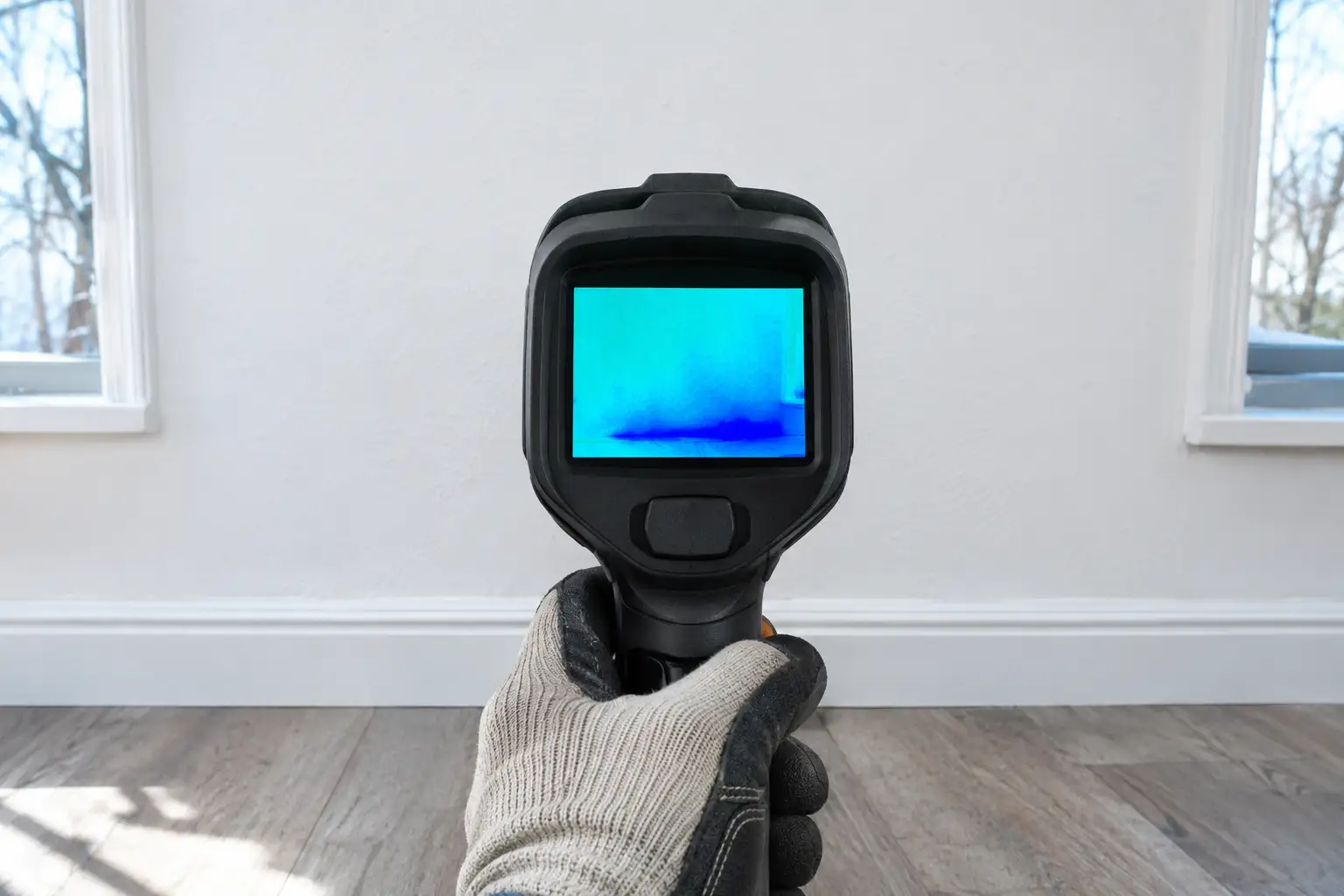
Thermal imaging
Warm or cool patches on the floor show where water is moving.
Spot repair
- The floor is opened at the leak.
- The damaged section is repaired.
- Best when the rest of the line is sound.
Reroute or repipe
- A new line runs through walls or the attic.
- The old line under the slab is capped.
- Best when the line has leaked before.
You see the evidence and hear each route to a repair, then decide. If lines under the slab have failed more than once, ask about repiping.
Hot side or cold side
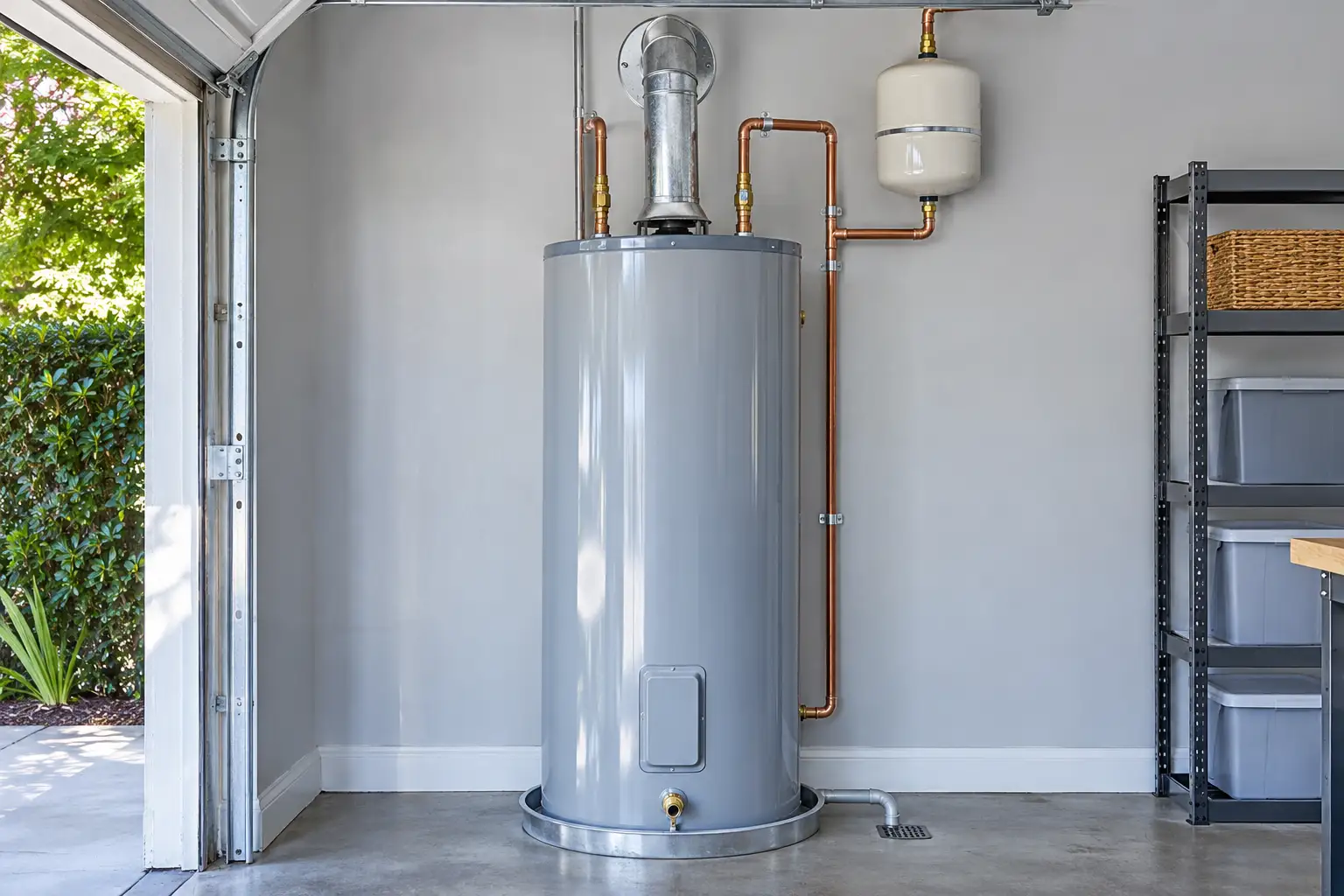
A leak on a hot water line tends to show itself sooner, because it warms the floor and keeps the water heater running. A leak on a cold line gives fewer clues, often just a meter that keeps turning and, sometimes, damp flooring.
- Warm floor and a heater that runs often point to the hot side.
- A moving meter with no warmth points to the cold side.
- Closing the cold valve on the water heater and watching the meter helps tell them apart.
Living through the repair
Most slab leak repairs keep the house usable. A spot repair opens a small section of floor at the leak, which is patched afterwards, although flooring there may need replacing. A reroute runs a new line through the walls or attic and avoids opening the slab, with small openings in drywall instead.
Water is off for part of the work. The plumber explains the plan, how long each stage takes and what will need finishing afterwards, before anything starts.
Why slab leaks happen
Pipes under a slab sit in soil and concrete for decades. Over time, several things wear them down.
- Corrosion of older metal pipes from the outside or the inside.
- Movement in the soil and the slab, which stresses the pipe.
- Pipes rubbing against concrete or gravel as they expand and contract.
- Large swings between day and night temperatures, which keep pipes moving.
- High water pressure that strains every joint.
Clues outside the house
Some slab leak signs show up outside. Look for damp soil or puddles along the edge of the foundation, cracks in the slab at the garage or patio that are new or growing, and plants near the house that are suddenly greener than the rest. None of these prove a slab leak alone, but together with a moving meter they are worth having checked.
Slab leak questions
What are the first signs of a slab leak?
A warm spot on the floor, the sound of running water with every tap off and a meter that keeps moving are the most common early signs.
How urgent is a leak under the slab?
It depends on how fast it is leaking. Water coming up through the floor is urgent. A slow leak shown by the meter still needs attention soon.
Can I find a slab leak myself?
You can confirm a leak with the meter test, but finding the exact spot under the slab needs testing equipment.
Will the floor need to be broken up?
For a spot repair, a small section is opened. Rerouting the line avoids opening the slab at all.
Does a slab leak cause mold?
It can, if water rises into flooring or the base of walls. A musty smell near the floor is worth checking.
Can a slab leak happen in a newer home?
Yes, although they are more common in older homes with metal pipes.
How fast can a slab leak waste water?
It varies from a slow seep to a steady flow. Even a small leak runs day and night, which is why it shows on the meter and the bill.
Can a slab leak damage the foundation?
Water under the slab can soften or move the soil over time, which is one reason to deal with it promptly.
Will homeowners insurance cover a slab leak?
Policies vary. Some cover access to the leak or resulting damage but not the pipe itself. Check with your agent.
Do slab leaks happen more in winter?
Large swings between day and night temperatures keep pipes moving all year. Leaks can appear at any time, though cold snaps add stress to lines.
Can I keep living in the house with a slab leak?
Usually yes, while it is being located and repaired. If water is coming up through the floor, keep that area dry and limit water use until it is fixed.
What should I do while I wait for testing?
Keep track of the meter, avoid running water you do not need and note any warm or damp spots you find.