Is it leaking? Do this first
A leaking water heater is the one water heater problem that cannot wait. Before anything else, stop the water and the heat.
Close the cold water valve
It is on the pipe at the top of the tank. Turn it clockwise until it stops.
Turn off the heat
For an electric heater, switch off its breaker. For gas, turn the gas control to off or pilot.
Keep clear of hot water
Water from the tank can be very hot. Let it cool before mopping.
Find where it is coming from
A leak at a pipe connection is often a simple repair. Water from the bottom of the tank usually means the tank itself has failed.
What your water heater is telling you
Water heater repair in Prescott Valley starts with the symptom. Each one points toward a different cause.
| What you notice | Common cause | Worth checking first |
|---|---|---|
| No hot water at all | Pilot out, a tripped breaker or a failed element | The pilot light or the breaker |
| Hot water runs out fast | Sediment in the tank or a failed lower element | How old the heater is |
| Popping or rumbling | Sediment at the bottom of the tank | When the tank was last flushed |
| Water around the base | A leaking fitting, the relief valve or the tank | Where the water starts |
| Rusty or smelly hot water | A worn anode rod or corrosion inside the tank | Whether cold water is clear |
| Relief valve dripping | High pressure or temperature, or a worn valve | Leave it to a plumber |
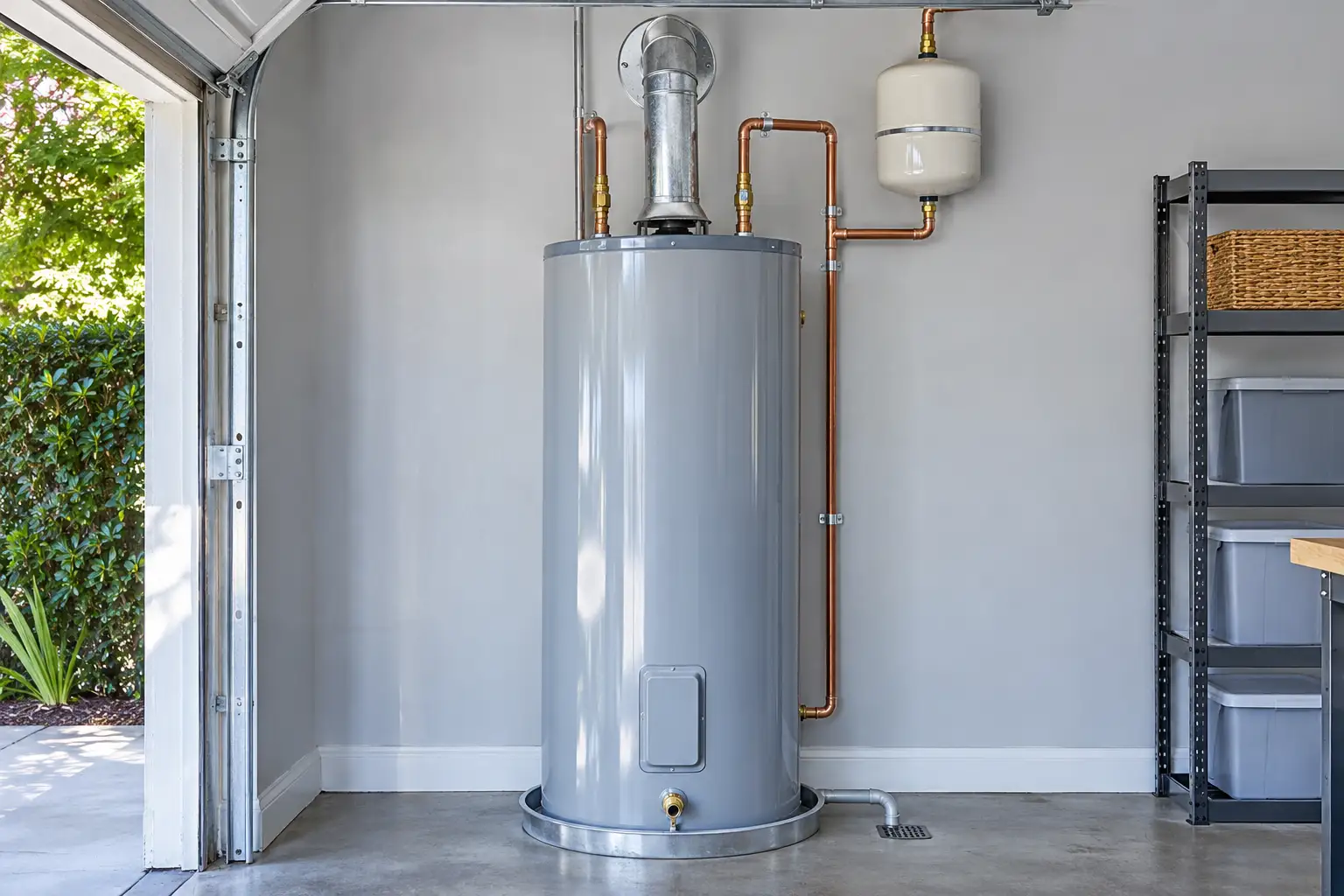
Checks you can do without tools
Nothing here needs tools
- For electric heaters, check whether the breaker has tripped and reset it once.
- For gas heaters, check that the pilot is lit through the small window.
- Make sure the gas supply valve to the heater is open.
- Check that the thermostat setting has not been turned down.
- Look at the label for the age of the heater.
If the breaker trips again or the pilot will not stay lit, stop there. Those point to a fault that needs a plumber. If you ever smell gas near the heater, leave the house and call the gas company from outside.
Water heater repair or a new heater
Many water heater problems are a single part, such as a thermocouple, a heating element, a thermostat or a valve. Others mean the heater is at the end of its life.
A repair usually makes sense when
- The heater is fairly young.
- One part has failed, such as an element or a thermocouple.
- The tank itself is dry and sound.
Replacement is worth discussing when
- Water is coming from the tank body.
- The heater is old and has had several repairs.
- Hot water is rusty and the tank is corroded.
You hear which part has failed, whether the tank is sound and what a repair or a new heater involves. The choice is yours.
Hot summers, cold mornings and your heater
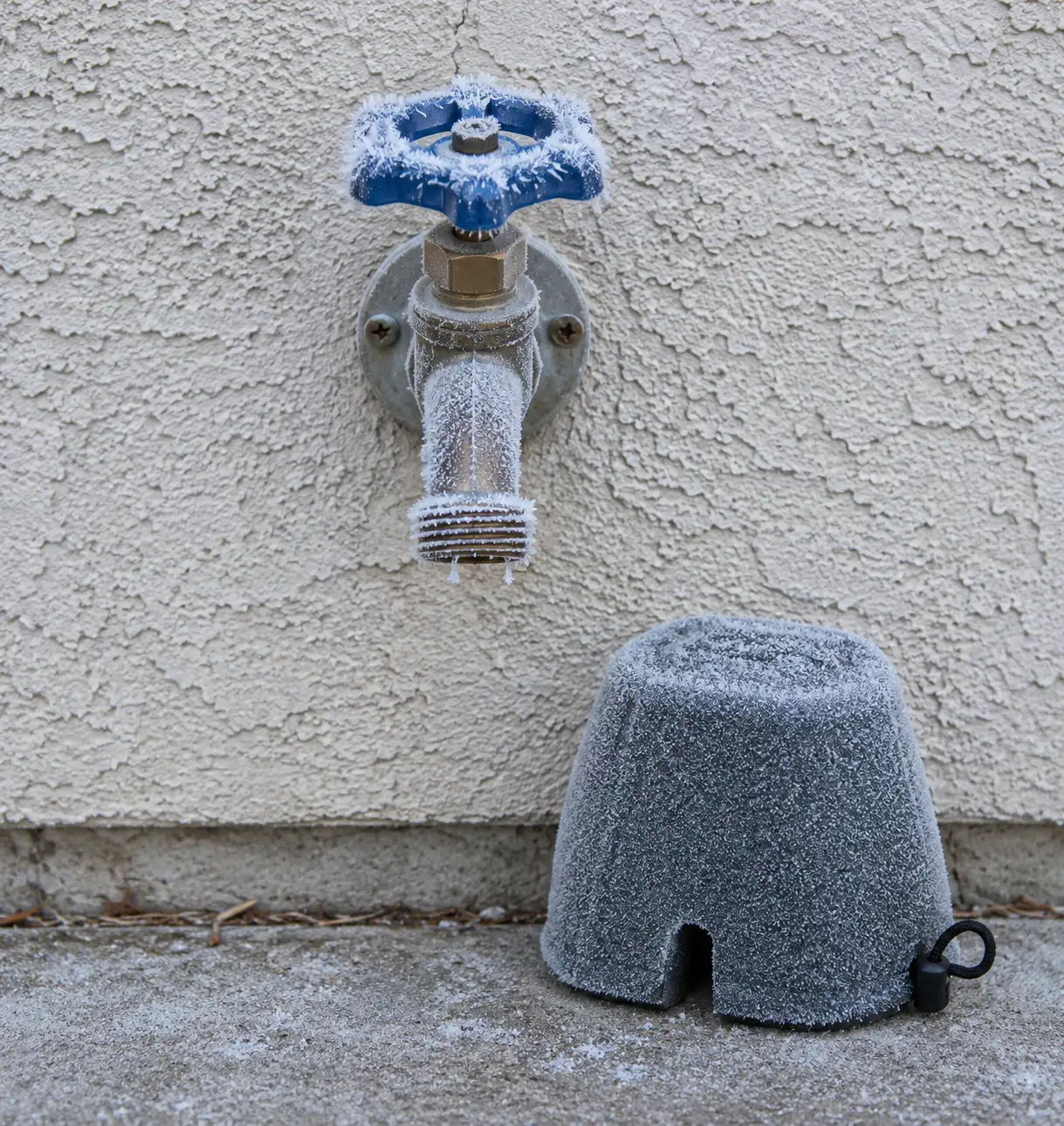
Prescott Valley has very hot, dry summers and large swings between day and night temperatures. A heater in a garage feels those swings, working harder on cold winter mornings when the incoming water is colder.
That is why hot water often seems to run out sooner in winter. It may simply be the colder water coming in, but if the change is sudden, sediment or a failed element is more likely.
Tankless heaters have their own quirks
Tankless water heaters heat water as it flows, so their problems look a little different.
Error codes
The display shows a code. The manual explains it, and many are simple fixes.
Cold water sandwich
A burst of cold between hot, often normal when taps are turned on and off quickly.
Shuts off mid shower
Low flow, a blocked filter or scale inside the unit.
Lukewarm at the far tap
The unit may be too small for several fixtures at once.
A little care adds years
- Flush the tank once a year to clear sediment.
- Test the relief valve once a year by lifting the lever briefly.
- Have the anode rod checked every few years.
- Keep the area around a gas heater clear of storage.
- Set the temperature to a comfortable, safe level.
Take a photo of the label with the model and age. It helps the plumber arrive with the right parts.
What a water heater visit covers
On a visit the plumber checks more than the part you called about. A water heater is a system with gas or power, water, venting and safety valves, and each one is worth a look.
Water and connections
Supply lines, valves and fittings for drips and corrosion.
Heat source
The burner and pilot on gas heaters, or the elements and thermostats on electric ones.
Venting
On gas heaters, the vent pipe that carries exhaust safely outside.
Safety valve
The temperature and pressure relief valve that protects the tank.
Water heater questions
Why do I have no hot water?
On gas heaters the pilot may be out. On electric heaters a breaker may have tripped or an element failed. If resetting once does not help, it needs a plumber.
Is water under my heater a safety problem?
It can flood the area and the water may be hot. Close the cold valve, turn off the heat and keep clear until it is checked.
How long does a water heater last?
It varies with water quality, use and care. The label shows the age, and older heaters with repeated problems are worth discussing replacement for.
Why does my water heater make noise?
Usually sediment at the bottom of the tank. Flushing it can help.
Why does my hot water smell?
A worn anode rod can react with the water and cause a rotten egg smell. A plumber can replace the rod.
Should I drain my water heater myself?
Flushing is a common job, but hot water and old valves can be a hazard. If you are unsure, have a plumber do it.
What does the relief valve do?
It lets water out if the pressure or temperature in the tank gets too high. A valve that drips or runs needs checking.
Can I relight the pilot myself?
Many gas heaters have relighting steps on the label. Follow them exactly, and if the pilot will not stay lit or you smell gas, stop and call a plumber.
Why is my hot water lukewarm?
A thermostat set too low, a failed element on an electric heater or a lot of sediment in the tank are the usual reasons. A plumber can test each one.